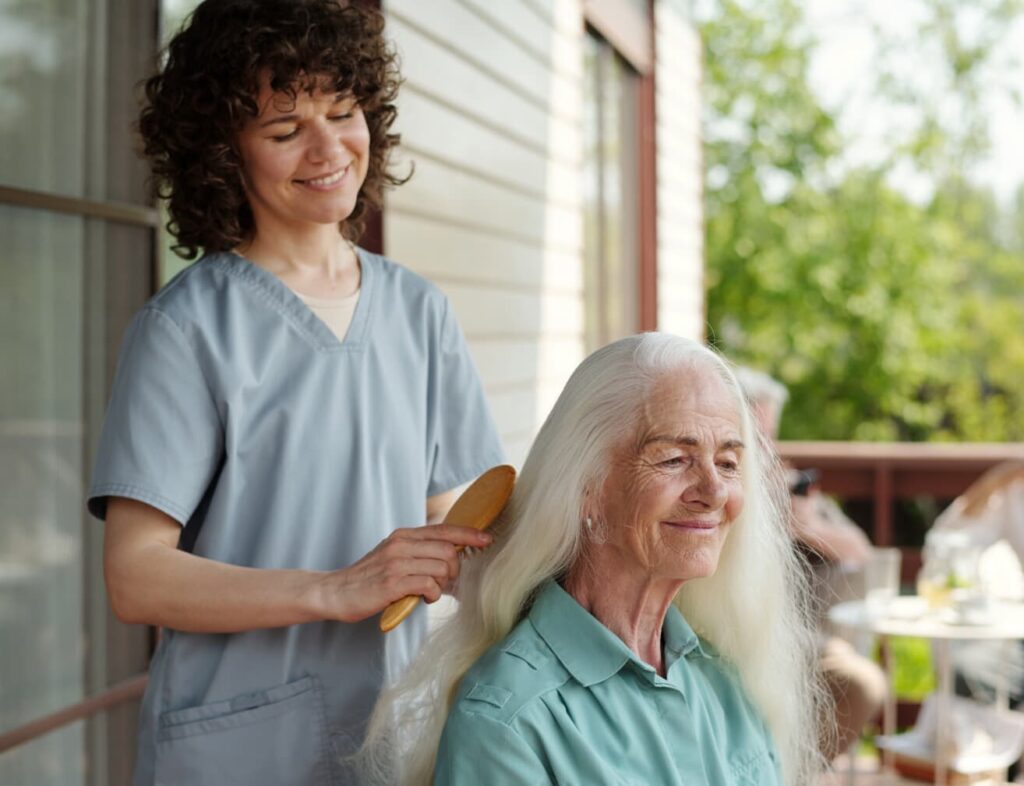
Best Care Partner Agency provides non-medical home care across Loudoun County. Here’s exactly what to expect, so your family can decide with confidence.
What our caregivers do
1. Personal Care
- Bathing, dressing, and grooming
- Toileting and incontinence care
- Feeding assistance
- Help walking and moving around the home
- Safe transfers (like bed to chair), and incontinence care, all guided by the written care plan.
2. Companionship
What do companion caregivers do?
They spend time with your loved one through conversation, games, hobbies, walks, and shared routines. They also provide a calm, watchful presence.
My loved one says they don’t need anyone. How can I introduce it?
Many people respond better to “someone to keep you company” than “someone to take care of you.” Starting with a short visit and a caregiver who shares their interests often helps. We’re happy to talk through ways to ease into it.
Can companionship visits be short?
Yes, within our scheduling terms. [Confirm the minimum shift.]
3. Meal Preparation & Light Housekeeping
Do caregivers cook what my loved one likes?
Yes. We build meals around their tastes and any dietary guidance your family already follows from their doctor.
What counts as “light” housekeeping?
Routine tidying, dishes, laundry, and keeping living areas clear and comfortable. It isn’t deep cleaning or heavy maintenance.
Can a caregiver help with a special diet?
Caregivers can prepare meals according to dietary instructions your family provides. They don’t create or change medical diets.
4. Errands & Accompaniment
What kinds of errands can caregivers help with?
Shopping, routine errands, and accompanying your loved one on outings when appropriate, such as to social events or appointments.
Can a caregiver drive my loved one?
[Answer according to your insurance and policy decisions. Until confirmed, use: “Transportation and mileage arrangements are set out in your service agreement. Ask us about what’s available.”]
Will a caregiver go to a medical appointment with us?
Caregivers can accompany your loved one for company and support. They don’t provide medical care or make medical decisions.

5. Respite for a Family Caregiver
What is respite care?
Respite is a break for family caregivers. A trained caregiver steps in so you can rest, work, run errands, or recharge, while your loved one continues to receive attentive care.
How long can respite last?
It can be a few hours, a regular weekly schedule, or short-term relief when you need it.
I feel guilty taking a break. Is that normal?
Very. Many family caregivers feel that way. Taking breaks helps you stay healthy, which helps you keep caring for your loved one.
6. Not Sure Yet?
I don’t know what kind of help we need. Where do I start?
Start with a free, no-obligation conversation. Tell us what’s going on at home, and we’ll help you understand what might help and what might not.
What if we decide your services aren’t the right fit?
That’s fine. We’ll be honest if your loved one needs a different kind of care, and we’ll point you to helpful resources.
What our caregivers don’t do
Our caregivers provide non-medical care. They do not provide:
- Skilled nursing care
- Physical, occupational, or other therapy
- Medical diagnosis
- Medication administration
- Other regulated medical services